Electric vehicles, laptops, smartphones, and countless other electronic devices rely on lithium-ion batteries. As these batteries reach the end of their service life, the demand for critical raw materials such as lithium, nickel, cobalt, and manganese continues to rise. Mining alone cannot meet this growing demand. A significant portion of future battery materials will come from recycling spent batteries.
A Black Mass Hydrometallurgy Processing Plant recovers these valuable metals from used lithium-ion batteries and converts them into high-purity, battery-grade materials that can be used to manufacture new batteries, supporting a sustainable circular economy.
What Is Black Mass?
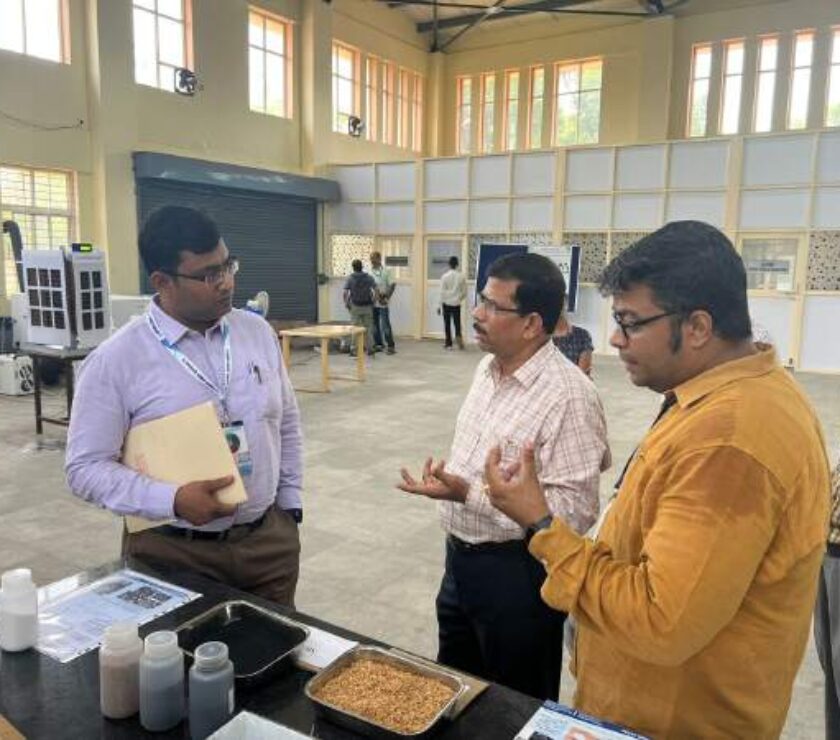
When spent lithium-ion batteries are safely dismantled and mechanically shredded, they produce a fine black powder known as black mass. This material contains many of the valuable metals required for manufacturing new batteries.
- Lithium
- Nickel
- Cobalt
- Manganese
- Graphite
- Copper
Why Choose Hydrometallurgical Processing?
Hydrometallurgy uses aqueous chemical processes such as leaching, purification, solvent extraction, and precipitation to selectively recover valuable metals from black mass. Compared with conventional pyrometallurgical smelting, hydrometallurgical processing offers several important advantages.
- Higher recovery of valuable battery metals
- Lower energy consumption
- Reduced greenhouse gas emissions
- Excellent metal selectivity and high-purity products
- Lower environmental impact
- Production of battery-grade metal compounds suitable for reuse
These advantages have made Black Mass Hydrometallurgy Processing the preferred technology for modern lithium-ion battery recycling facilities worldwide.
Black Mass Hydrometallurgy Process
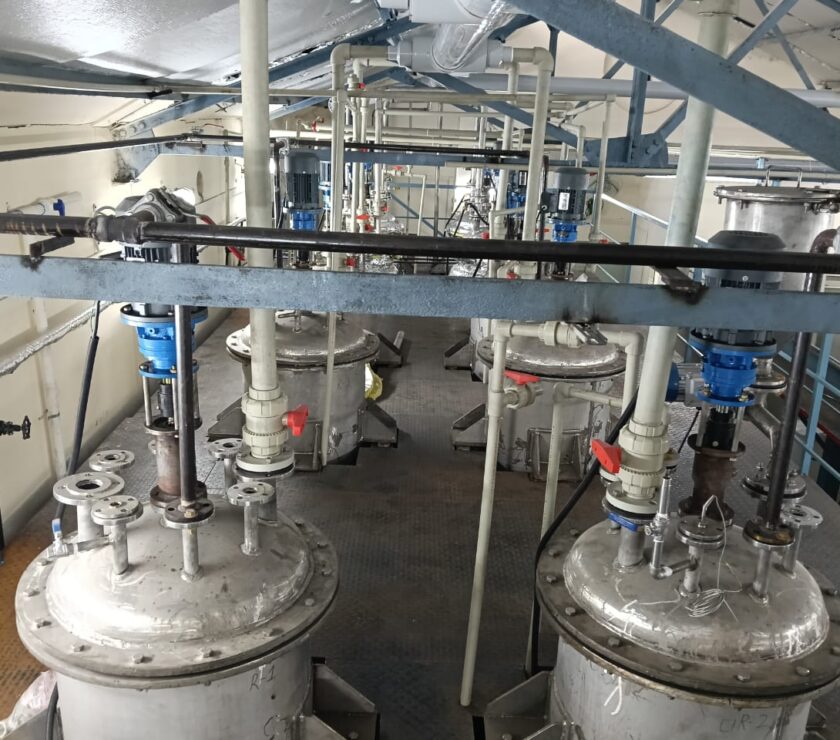
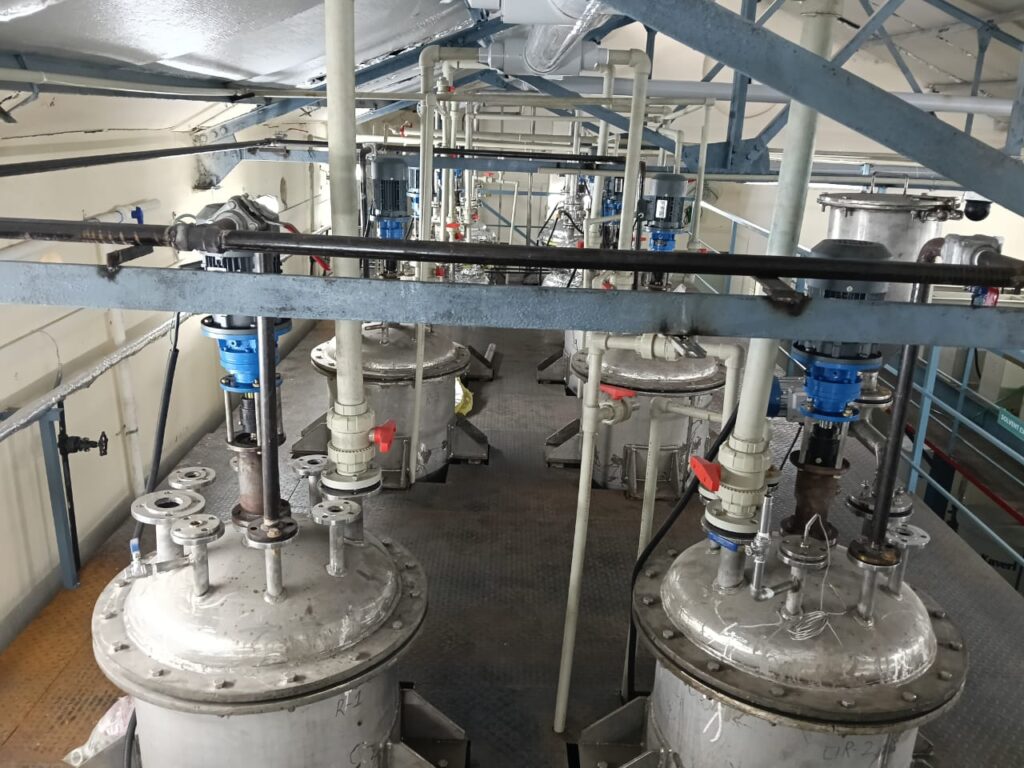
A Black Mass Hydrometallurgy Processing Plant follows a carefully designed sequence of operations to maximise metal recovery while maintaining product quality and process efficiency.
1. Feed Preparation
Since black mass composition varies depending on battery chemistry and source, the material is analysed, screened, and blended to create a consistent feed for downstream processing.
2. Leaching
The prepared black mass is treated with specially formulated acidic solutions under controlled temperature and pH conditions. During this stage, valuable metals such as lithium, nickel, cobalt, and manganese dissolve into the solution.
3. Solid-Liquid Separation
Filtration equipment, including filter presses, separates the metal-rich solution from insoluble materials such as graphite and other residues.
4. Purification
Impurities including aluminium, iron, and copper are removed from the solution to prepare it for efficient downstream metal separation.
5. Solvent Extraction
Advanced solvent extraction systems selectively separate individual metals, enabling high recovery efficiency and exceptional product purity.
6. Metal Recovery
The purified metals are converted into valuable battery-grade products, including:
- Lithium Carbonate
- Lithium Hydroxide
- Nickel Sulphate
- Cobalt Sulphate
- Manganese Sulphate
These products are ready for direct supply to battery manufacturers.
Benefits of Black Mass Hydrometallurgy Processing
Under properly controlled operating conditions, Black Mass Hydrometallurgy Processing can recover more than 95% of valuable battery metals. The process supports sustainable resource management while producing high-quality materials for new battery production.
- More than 95% metal recovery
- Production of battery-grade chemicals
- Reduced dependence on virgin mining
- Lower carbon footprint
- Efficient and environmentally responsible recycling
- Supports the circular battery economy
Applications
Black Mass Hydrometallurgy Processing Plants are widely used across the battery recycling industry for recovering valuable materials from various sources.
- Electric vehicle (EV) battery recycling
- Consumer electronics battery recycling
- Lithium-ion battery manufacturing scrap recovery
- Battery production waste recycling
- Industrial lithium-ion battery recycling
As global battery production continues to expand, Black Mass Hydrometallurgy Processing has become an essential technology for securing sustainable supplies of critical battery materials.
Black Mass Hydrometallurgy Processing Solutions by LN Indtech Services Pvt. Ltd.
LN Indtech Services Pvt. Ltd. designs and supplies complete Black Mass Hydrometallurgy Processing Plants for modern battery recycling operations. Our customised process solutions are engineered to maximise metal recovery while ensuring operational efficiency, environmental compliance, and long-term plant reliability.
Whether you are establishing a new recycling facility or expanding an existing plant, our experienced engineering team works closely with you to develop practical, customised solutions tailored to your production objectives and operational requirements.
Contact Us
Contact LN Indtech Services Pvt. Ltd. to learn how our expertise in Black Mass Hydrometallurgy Processing can help maximise the recovery of valuable battery materials while supporting efficient, sustainable, and future-ready recycling operations.