What happens when your smartphone battery reaches the end of its life or an electric vehicle (EV) battery can no longer hold a charge? Where do all the valuable materials like lithium, cobalt, nickel, and copper go?
For years, the answer was disappointing. Most spent lithium-ion batteries ended up in landfills, warehouses, or temporary storage facilities while industries searched for a practical recycling solution.
Today, that solution exists in the form of a lithium-ion battery recycling plant. Rather than treating used batteries as waste, these facilities recover valuable metals and convert them into battery-grade raw materials that can be used to manufacture new batteries. In fact, a tonne of spent lithium-ion batteries often contains more valuable metals than a tonne of freshly mined ore.
In this guide, you’ll learn how a lithium-ion battery recycling plant works, the technologies involved, environmental benefits, and why battery recycling has become one of the fastest-growing industries in the clean energy sector.
Lithium-Ion Battery Recycling Plant
Why Lithium-Ion Battery Recycling Is More Important Than Ever
Battery recycling is no longer just an environmental initiative. It has become an economic necessity and a strategic industry.
Increasing Demand for Critical Minerals
The global demand for lithium, cobalt, nickel, and graphite is growing rapidly due to the expansion of electric vehicles, renewable energy storage systems, and consumer electronics. Mining alone cannot meet future demand, making recycled battery materials an increasingly valuable source of critical minerals.
Extended Producer Responsibility (EPR) Regulations
Many countries, including India and members of the European Union, now require manufacturers to collect and recycle batteries through Extended Producer Responsibility (EPR) regulations. These laws establish recycling targets and hold battery producers responsible for end-of-life battery management.
Economic Advantages
Recovering valuable metals from spent batteries is often more economical than extracting them from newly mined ore, especially during periods of high commodity prices. Battery recycling also reduces dependence on imported raw materials and strengthens supply chain security.
What Is a Lithium-Ion Battery Recycling Plant?
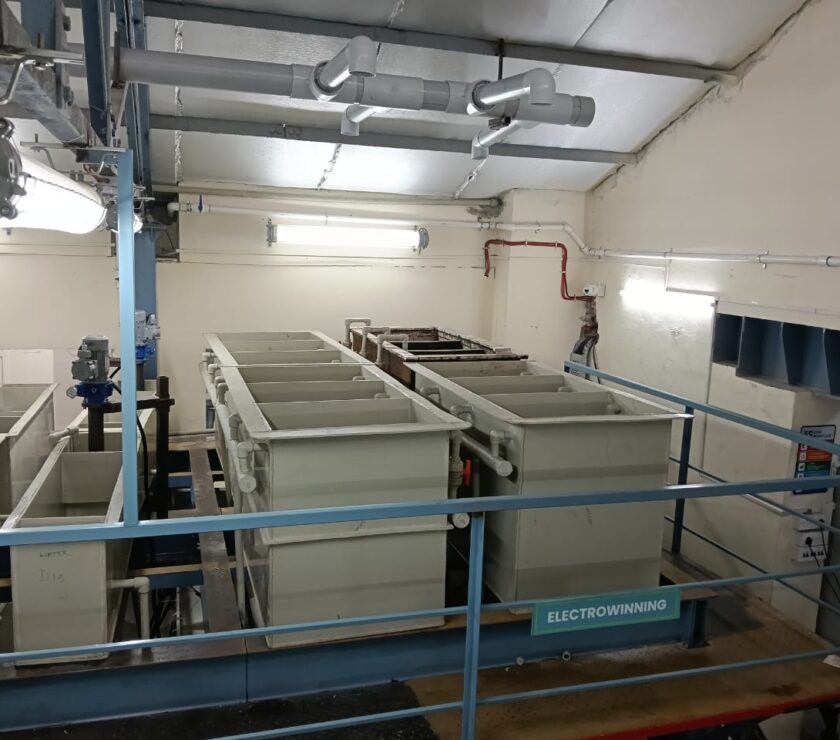
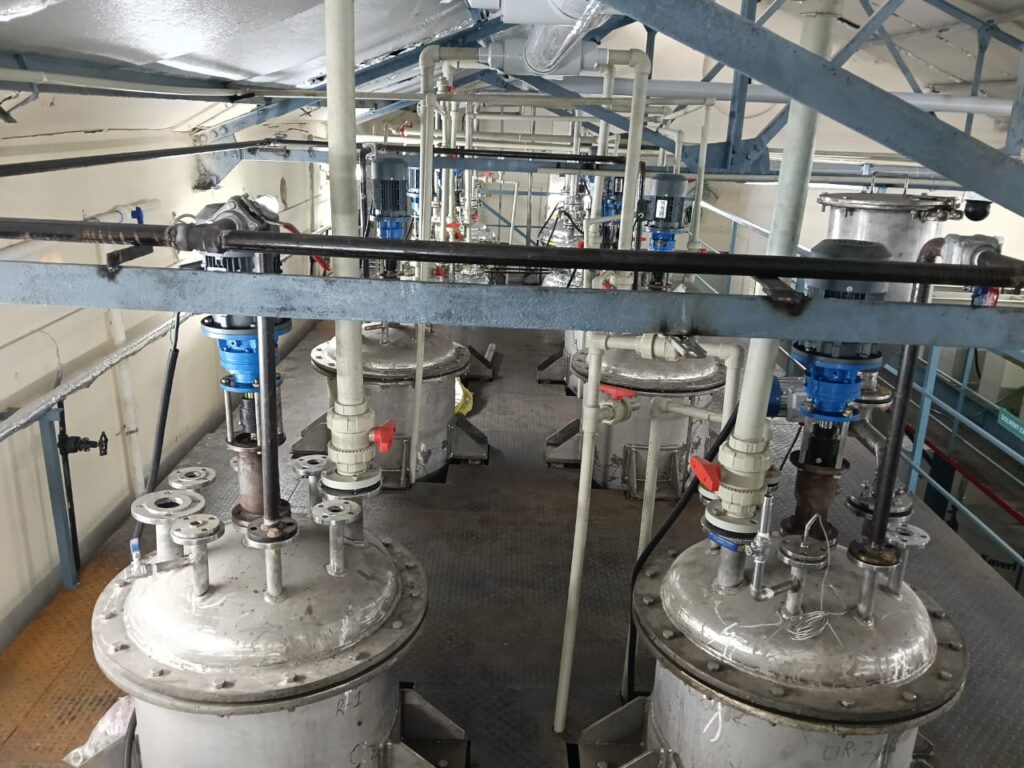
A lithium-ion battery recycling plant is an industrial facility designed to safely process spent batteries and recover valuable materials for reuse. These plants combine mechanical processing with advanced chemical technologies to separate and purify battery components.
Most recycling plants operate in two major stages:
- Mechanical processing to dismantle, shred, and separate battery materials.
- Hydrometallurgical processing to extract and purify valuable metals from black mass.
The recovered metals are then supplied back to battery manufacturers, creating a circular battery economy.
How a Lithium-Ion Battery Recycling Plant Works
Step 1: Battery Collection, Inspection, and Safe Discharge
The recycling process begins with collecting spent lithium-ion batteries from electric vehicles, consumer electronics, energy storage systems, and manufacturing scrap.
Even batteries considered “dead” often retain electrical charge, making them a fire hazard. Before processing, batteries are safely discharged using controlled electrical circuits or specialized discharge systems to eliminate the risk of sparks and thermal runaway.
Step 2: Battery Shredding and Material Separation
After discharge, batteries are shredded inside enclosed systems that use inert gases such as nitrogen or water mist to prevent combustion.
The shredded material passes through several separation technologies, including:
- Magnetic separators for steel recovery
- Eddy current separators for aluminum separation
- Sieving systems for copper and aluminum foils
- Air classification to separate plastics and separator films
The remaining fine powder is known as black mass, which contains the valuable active battery materials.
What Is Black Mass?
Black mass is the most valuable output of the mechanical recycling process. It contains:
- Lithium
- Cobalt
- Nickel
- Manganese
- Graphite
This concentrated powder becomes the primary feedstock for metal recovery through hydrometallurgical processing.
Step 3: Hydrometallurgical Leaching
Hydrometallurgy is the core technology used in modern lithium-ion battery recycling plants.
Black mass is treated with sulfuric acid and reducing agents such as hydrogen peroxide. During this process, valuable metals dissolve into the solution while graphite and other impurities remain as solids and are filtered out.
Different battery chemistries require different recovery methods:
- NMC (Nickel Manganese Cobalt)
- NCA (Nickel Cobalt Aluminum)
- LCO (Lithium Cobalt Oxide)
- LFP (Lithium Iron Phosphate)
Each chemistry requires optimized chemical conditions to maximize metal recovery.
Step 4: Metal Purification and Recovery
Once the metals are dissolved, they are separated using solvent extraction, selective precipitation, ion exchange, and pH control.
The recovered products typically include:
- Lithium carbonate or lithium hydroxide
- Nickel sulfate
- Cobalt sulfate
- Manganese sulfate
- High-purity copper
These materials meet battery-grade specifications and are used to manufacture new lithium-ion batteries.
Metals Recovered from Lithium-Ion Batteries
A modern battery recycling facility can recover several valuable materials, including:
- Lithium
- Cobalt
- Nickel
- Manganese
- Copper
- Aluminum
- Steel
- Graphite
Many advanced recycling plants achieve recovery rates exceeding 90% for cobalt, nickel, and copper, while lithium recovery continues to improve through advanced processing technologies.
Key Performance Indicators for a Battery Recycling Plant
Recovery Rate
Higher recovery rates increase plant profitability and reduce waste. Leading hydrometallurgical facilities recover over 90% of valuable metals.
Feedstock Availability
Consistent access to spent batteries and manufacturing scrap ensures continuous plant operation and stable revenue generation.
Battery-Grade Product Quality
High-purity lithium, nickel, and cobalt salts command premium market prices and are essential for producing new lithium-ion batteries.
Environmental Benefits of Lithium-Ion Battery Recycling
Modern battery recycling plants are designed to minimize environmental impact through sustainable operations.
Closed-Loop Water Systems
Process water is continuously recycled, significantly reducing freshwater consumption.
Air Pollution Control
Advanced scrubbers capture acid mist and airborne contaminants before they are released into the atmosphere.
Wastewater Treatment
All wastewater is neutralized and treated to comply with environmental regulations before discharge.
Lower Carbon Footprint
Producing battery materials from recycled sources generally requires less energy than mining and refining virgin materials, helping reduce greenhouse gas emissions.
The Circular Battery Economy
Battery recycling enables valuable materials to remain in use instead of becoming waste.
For example, cobalt recovered from an old smartphone battery can be refined into battery-grade material and later used to manufacture a new electric vehicle battery.
This closed-loop supply chain reduces dependence on mining, conserves natural resources, and supports long-term sustainability.
Challenges Facing the Battery Recycling Industry
Although the industry is expanding rapidly, several challenges remain.
- Limited battery collection infrastructure
- Rapidly evolving battery chemistries
- High capital investment requirements
- Fire safety during battery handling
- Developing efficient lithium recovery technologies
As electric vehicle adoption increases, these challenges are expected to drive innovation and further investment in battery recycling technologies.
Business Opportunities in Lithium-Ion Battery Recycling
The battery recycling sector offers significant opportunities for investors, engineering companies, and battery manufacturers.
A successful recycling project typically includes:
- Detailed feasibility study
- Process flow diagram (PFD)
- Process flow sheet (PFS)
- Equipment selection
- Plant layout and engineering design
- Capital cost estimation (CAPEX)
- Operating cost analysis (OPEX)
- Financial modeling
- Environmental compliance planning
As the supply of end-of-life EV batteries grows over the coming decade, battery recycling is expected to become a critical component of the global battery supply chain.
Conclusion
A lithium-ion battery recycling plant is far more than a waste management facility. It is an advanced industrial operation that transforms spent batteries into valuable battery-grade raw materials through mechanical processing and hydrometallurgical recovery.
With increasing demand for electric vehicles, stricter environmental regulations, and growing concerns over critical mineral supply, battery recycling has become one of the most important industries supporting the clean energy transition.
For companies planning to invest in battery recycling, success depends on selecting the right technology, securing a reliable feedstock supply, maximizing metal recovery, and producing high-purity battery materials. A well-designed recycling plant not only generates attractive economic returns but also plays a vital role in building a sustainable circular battery economy.